
The State and Local Energy Efficiency Action Network (SEE Action) offers resources and publications to state and local decision makers as they provide low-cost, reliable energy to their communities through energy efficiency.
SEE Action also provides information about the National Action Plan for Energy Efficiency, which was a private-public initiative to create a sustainable, aggressive national commitment to energy efficiency through the collaborative efforts of gas and electric utilities, utility regulators, and other partner organizations.
Energy Efficiency Policy and Program Resources
SEE Action provides resources for the design and implementation of policies and programs that can drive investment in energy efficiency, create jobs, and reduce consumer costs. These policies and programs can also strengthen the economic competitiveness of state and local entities by lowering the cost of living and doing business.
Learn more about SEE Action activities related to the following policies and programs below.

Buildings can provide grid services at least cost, improve grid reliability and resilience, reduce energy waste, improve energy affordability, and integrate a variety of generation sources, EVs, and other loads. Harnessing two-way connectivity and communications between smart building technologies and the grid and multiple demand flexibility modes (load shed, load shift, modulate, and generate), building energy loads can be dynamically shaped and optimized for the electric grid and for building owners and occupants.
Work Products
Grid-Interactive Efficient Buildings: An Introduction for State and Local Governments - Describes grid-interactive efficient buildings in the context of state and local government interests; highlights trends, challenges and opportunities for demand flexibility; provides an overview of valuation and performance assessments for demand flexibility; and outlines actions that state and local governments can take, in concert with utilities, regional grid operators, and building owners, to advance demand flexibility.
Determining Utility System Value of Demand Flexibility From Grid-interactive Efficient Buildings - Focuses on ways current methods and practices that establish the value to electric utility systems of distributed energy resource (DER) investments can be enhanced to determine the value of demand flexibility in grid-interactive efficient buildings that can provide grid services. The report introduces key valuation concepts that are applicable to demand flexibility that these buildings can provide and links to other documents that describe these concepts and their implementation in more detail.
Performance Assessments of Demand Flexibility from Grid-Interactive Efficient Buildings: Issues and Considerations - Explains basic concepts and fundamental considerations for assessing the actual demand flexibility performance of buildings participating in demand flexibility programs and responding to time-varying retail rates. Demand flexibility is the capability of distributed energy resources (DERs) to adjust a building’s load profile across different timescales. Assessments determine the timing, location, quantity, and quality of grid services provided.

Financing is one of several linked strategies to drive and enable customer demand for energy efficiency. Financing alone does not lead to energy savings, but it may be an effective tool for helping customers overcome the high up-front costs of a range of energy efficiency investments. Broad customer access to attractive capital can enable widespread adoption of energy efficiency improvements by scaling and leveraging secondary markets, reflecting a true assessment of risk, providing more liquidity, and reducing borrowing costs.
Work Products
Long-Term Performance of Energy Efficiency Loan Portfolios - A first-of-its-kind study that shows financial institutions can lend money to their customers for energy efficiency improvements at low risk, in support of a more efficient building stock.
Watch the roundtable discussion featuring leading experts in finance, energy efficiency, and capital access discuss findings from this study.
Energy Efficiency Financing for Low- and Moderate-Income (LMI) Households: Current State of the Market, Issues, and Opportunities - Offers state and local policymakers, state utility regulators, program administrators, financial institutions, consumer advocates and other LMI stakeholders with an understanding of:
- The relationship between LMI communities and financing for energy efficiency, including important considerations for its use such as consumer protections
- The larger programmatic context of grant-based assistance and other related resources supporting LMI household energy efficiency
- Lessons learned from existing energy efficiency financing programs serving LMI households
- Financing products used by these programs and their relative advantages and disadvantages in addressing barriers to financing or to energy efficiency uptake for LMI households.
Making It Count: Understanding the Value of Energy Efficiency Financing Programs Funded by Utility Customers - Lays the groundwork for a dialogue to explore regulatory and policy mechanisms for ensuring that efficiency financing initiatives provide value for society and protection for consumers.
Accessing Secondary Markets as a Capital Source for Energy Efficiency Finance Programs: Program Design Considerations for Policymakers and Administrators - Covers how secondary markets are defined, what was learned from secondary market transactions, program design choices program administrators should consider, and the key actors in secondary market transactions.
Energy Efficiency Financing Program Implementation Primer - Provides key considerations for policymakers, energy efficiency program administrators, and program partners om implementing successful energy efficiency financing programs for existing buildings.
Credit Enhancement Overview Guide - Provides considerations for state and local policymakers and energy efficiency program administrators designing and implementing successful credit enhancement strategies for residential and commercial buildings.
Financing Energy Improvements on Utility Bills: Market Updates and Key Program Design Considerations for Policymakers and Administrators - Provides an overview of the current state of on-bill programs and provides actionable insights on key program design considerations for on-bill lending programs.
Energy Efficiency Finance Programs: Use Case Analysis to Define Data Needs and Guidelines - Takes a foundational step toward the establishment of common data collection practices for energy efficiency lending.

EM&V is the collection of approaches for determining and documenting energy and non-energy benefits resulting from end-use energy efficiency activities and programs. Effective EM&V can confirm energy savings, verify cost-effectiveness, and guide future energy efficiency investment decisions.
Work Products
SEE Action Guide for States: Guidance on Establishing and Maintaining Technical Reference Manuals for Energy Efficiency Measures - Supports the development, maintenance, and use of accurate and reliable Technical Reference Manuals (TRMs). TRMs provide information primarily used for estimating the energy and demand savings of end-use energy efficiency measures associated with utility customer-funded efficiency programs.
Energy Efficiency Program Impact Evaluation Guide - Includes definitions, concepts, and steps for calculating savings, avoided emissions, and other impacts.
ENERGY STAR® Retail Products Platform (RPP): Conditions and Considerations in Evaluating Market Transformation Programs and Evaluation Guidance for RPP - Provides a resource for state utility regulators, utilities, the evaluation community and regulatory stakeholders on methods to measure energy savings from the ENERGY STAR Retail Products Platform.
SEE Action Guide for States: Evaluation, Measurement, and Verification Frameworks — Guidance for Energy Efficiency Portfolios Funded by Utility Customers - Describes frameworks for EM&V of utility customer–funded energy efficiency programs. The authors reviewed multiple frameworks across the United States and gathered input from experts to prepare this guide.
Related Resources
Evaluation, Measurement, and Verification (EM&V) Resource Portal is an EM&V resource compendium for energy efficiency program administrators and project managers. The resources focus on tools and approaches that can be applied nationwide, address EM&V consistency, and are recognized by the industry.

Energy efficiency has the advantage of reducing all types of power plant-related emissions simultaneously by avoiding the need to generate electricity in the first place. Energy efficiency is a well-established industry in the United States that is helping save billions of dollars each year, while also providing reliability, economic and environmental benefits. This guide is designed to provide information to state decision makers and staff on options to advance energy efficiency through strategies designed or implemented at the state and local levels of government and in the private sector.
Energy Efficiency as a Least-Cost Strategy to Reduce Greenhouse Gases and Air Pollution, and Meet Energy Needs in the Power Sector - Presents established policy and program "pathways" to advance demand-side energy efficiency, including:
- Ratepayer-funded energy efficiency
- Building energy codes
- Local government-led efforts, such as building performance policies
- State-led efforts, such as energy savings performance contracting
- Commercial and industrial private sector approaches, such as strategic energy management and combined heat and power.

Industrial energy efficiency often represents a large and cost-effective resource for policymakers and utilities to pursue, yielding many benefits including improved competitiveness in the U.S. manufacturing sector through lower production costs. The industrial sector accounts for one-third of the total U.S. energy consumption, and as such represents a substantial opportunity for cost-effective energy savings. Effectively managing and reducing industrial energy use has increasingly become a key policy priority.
Work Products
Industrial Energy Efficiency: Designing Effective State Programs for the Industrial Sector - Provides state regulators, utilities, and other program administrators with an overview of U.S. industrial energy efficiency programs and assesses some of the key features of programs that have generated increased energy savings.
Sustained Energy Savings Achieved through Successful Industrial Customer Interaction with Ratepayer Programs: Case Studies - Provides four detailed case studies of companies that benefited from participation in their utility's energy efficiency program offerings and highlights the business value brought to them by participation in these programs.
State Approaches to Demand Reduction Induced Price Effects: Examining How Energy Efficiency Can Lower Prices for All - Reviews the existing knowledge and experience from select U.S. states regarding Demand Reduction Induced Price Effects (DRIPE), including New York and Ohio, and the potential for expanded application of the concept of DRIPE by regulators.
Saving Energy in Industrial Companies: Case Studies of Energy Efficiency Programs in Large U.S. Industrial Corporations and the Role of Ratepayer-Funded Support - Helps companies looking to cut costs through energy savings, ratepayer-funded program administrators interested in increasing large industrial company participation in energy efficiency program offerings, and state utility commissions.
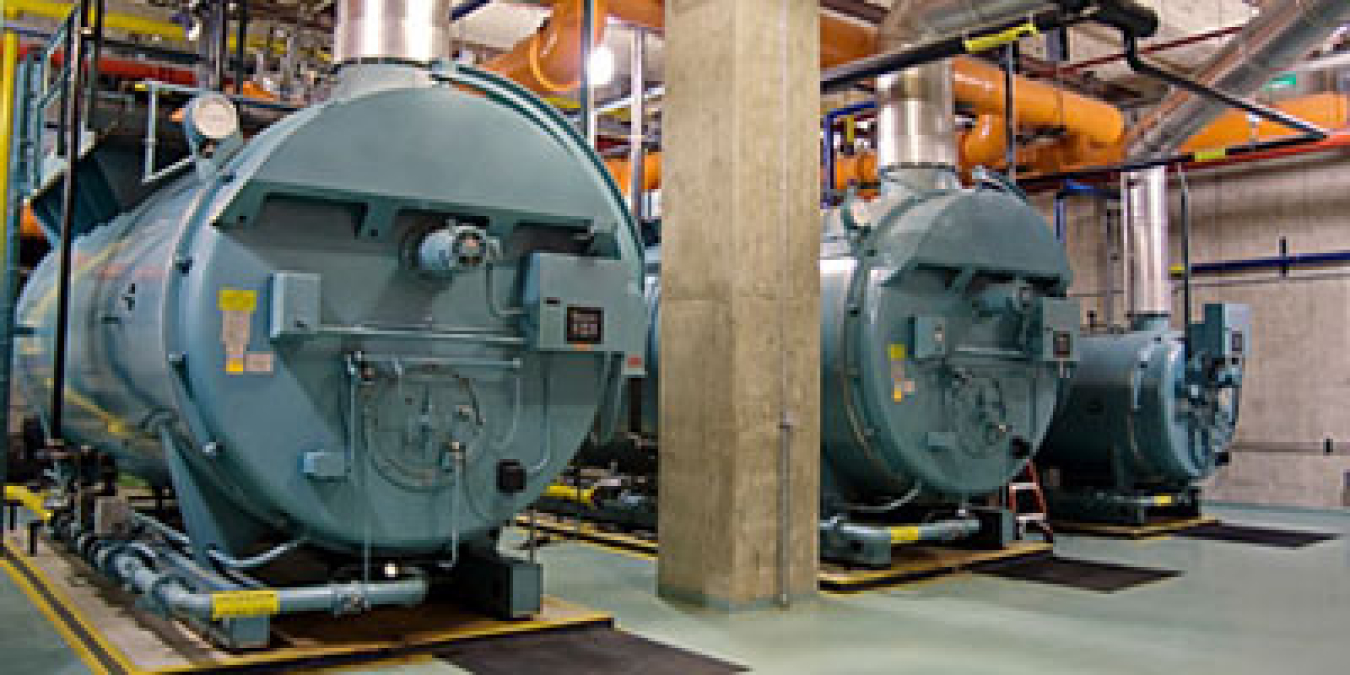
Combined heat and power (CHP) is a proven commercial technology that has been used for more than a century. CHP can be an efficient and clean method of generating electric power and useful thermal energy from a single fuel source at the point of use. Instead of purchasing electricity from the local utility and burning fuel in an on-site furnace or boiler to produce needed thermal energy, an industrial or commercial user can use CHP to provide both energy services in one energy-efficient step. By being more efficient, less fuel is consumed and greenhouse gases (GHGs) and other emissions are reduced. Properly designed CHP can also bolster the grid, provide security benefits, and potentially support intermittent renewable energy sources.
Work Products
Combined Heat and Power in Integrated Resource Planning: Examples and Planning Considerations - Provides considerations for states and utilities interested in exploring the role of CHP in integrated resource planning, and includes examples of experience doing so.
Guide to the Successful Implementation of State Combined Heat and Power Policies - Informs state utility regulators and other state policymakers with actionable information to assist them in implementing key state policies that impact CHP.
Sustained Energy Savings Achieved through Successful Industrial Customer Interaction with Ratepayer Programs: Case Studies - Provides four detailed case studies of companies that benefited from participation in their utility's energy efficiency program offerings and highlights the business value brought to them by participation in these programs.
State Approaches to Demand Reduction Induced Price Effects: Examining How Energy Efficiency Can Lower Prices for All - Reviews the existing knowledge and experience from select U.S. states regarding Demand Reduction Induced Price Effects (DRIPE), including New York and Ohio, and the potential for expanded application of the concept of DRIPE by regulators.

Regulatory policy can have a significant impact on investment in energy efficiency. Electric and natural gas utilities can play a vital role in deploying all of our nation's available cost-effective energy efficiency—but traditional utility regulation can create unintended obstacles for the utilities. Under the conventional regulatory framework, a utility's financial health can be negatively impacted when it delivers energy efficiency to its customers. State utility regulators are using a variety of incentives for overcoming these barriers. Developing a set of regulatory policies appropriate for each individual state’s context will set a foundation for achieving all cost-effective energy efficiency.
Work Products
Making it Count: Understanding the Value of Energy Efficiency Financing Programs Funded by Utility Customers - Lays the groundwork for a dialogue to explore regulatory and policy mechanisms for ensuring that efficiency financing initiatives provide value for society and protection for consumers.
Setting Energy Savings Targets for Utilities - Helps policymakers understand how electric and natural gas utilities can achieve greater efficiency by establishing numeric energy savings targets and goals for energy efficiency programs.
Using Integrated Resource Planning to Encourage Investment in Cost-Effective Energy Efficiency - Describes how utility planning processes that allow demand-side resources to compete with supply-side resources can promote cost-effective energy efficiency.
Energy Efficiency Collaboratives - Seeks to highlight a few common elements and draw conclusions on the overall effectiveness of specific characteristics of collaboratives.
Analyzing and Managing Bill Impacts of Energy Efficiency Programs: Principles and Recommendations - Provides policymakers with principles and recommendations to understand and manage concerns about bill and rate impacts resulting from requiring utilities to provide efficiency programs.
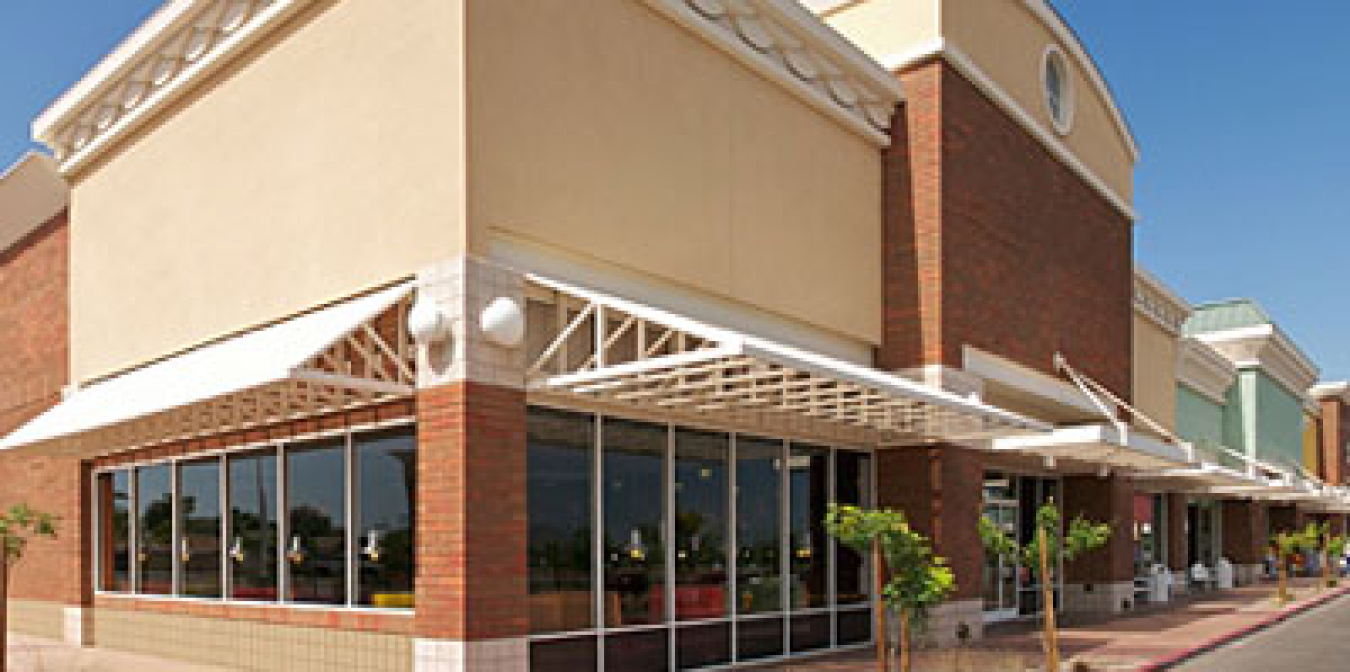
Energy expenditures in privately-owned commercial and public buildings are a cost worth managing. Policies that improve the way buildings use energy throughout the building lifecycle, from construction through operation and renovation, are a priority in communities across the country. SEE Action provides technical and policy decision making information to state and local governments and utility regulators on organization-wide, performance-based policy and program strategies for energy efficiency in public and private commercial buildings.
Work Products
Energy Audits and Retro-Commissioning: State and Local Policy Design Guide and Sample Policy Language - Provides guidance and sample policy language to help state and local governments enact and implement policies addressing energy assessments of or improvements to existing commercial buildings.
Greater Energy Savings through Building Energy Performance Policy: Four Leading Policy and Program Options - Provides recommendations for linking existing policies and developing new policies, such that their success is based on the real energy savings achieved in buildings. This approach has the potential to affect the entire building lifecycle.
2020 Leadership Agenda for Existing Commercial and Multifamily Buildings - Defines the baseline actions that states and communities can take by 2020 to demonstrate national energy efficiency leadership.
Benchmarking and Disclosure: State and Local Policy Design Guide and Sample Policy Language - Provides sample policy language based on a synthesis of existing state and local policies, and discussion on key provisions, for the design of a commercial benchmarking and disclosure policy.
Energy Benchmarking, Rating, and Disclosure for Local Governments - Provides information on how access to energy use data can help local governments create policies for benchmarking and disclosing building energy performance for public and private sector buildings.
A Utility Regulator's Guide to Data Access for Commercial Building Energy Performance Benchmarking - Offers policy options and considerations to state utility commissions in providing access to energy use data to help commercial customers manage energy costs through building energy benchmarking.

Behavioral efficiency programs and strategies are a cost-effective way to reduce energy consumption. Behavioral insights from academic research in behavioral science, economics and psychology can also help improve the performance of traditional efficiency programs.
Historically, energy efficiency programs have relied on financial incentives to motivate people to purchase energy efficient products. Behavior‐based energy efficiency strategies rely on other motivations that influence people’s energy consumption. These non-financial influences can be powerful motivators that encourage people to reduce their energy consumption. Over millions of households this adds up to a significant reduction in energy consumption.
Work Products
Delivering Energy Efficiency to Middle Income Single Family Households - Provides state and local policymakers with information on successful approaches to the design and implementation of residential efficiency programs for households ineligible for low-income programs.
Insights from Smart Meters: The Potential for Peak-Hour Savings from Behavior-Based Programs - Presents examples of the value that insights from behavior analytics of these data can provide (as well as pointing out its limitations).
Insights from Smart Meters: Identifying Specific Actions, Behaviors, and Characteristics That Drive Savings in Behavior-Based Programs - Presents concrete examples of findings from behavior analytics research using data that are immediately useful and relevant, including proof-of-concept analytics techniques that can be adapted and used by others, novel discoveries that answer important policy questions, and guidelines and protocols that summarize best practices for analytics and evaluation. This report is the second in a series of reports on smart meters.
Insights from Smart Meters: Ramp-Up, Dependability, and Short-Term Persistence of Savings from Home Energy Reports - Presents smart meter data to analyze the ramp-up, dependability, and short-term persistence of savings in Home Energy Reports. This report is the third in a series of reports on smart meters.

Energy and cost savings in homes and businesses can be realized with the help of data-driven policy and decision making, and state and local governments can help customers obtain access to their energy use data. In addition, energy use data is critical for optimizing building energy performance: building owners need accurate data on a timely basis to benchmark and track building energy performance; markets need access and transparency to use data in meaningful ways; energy professionals need data to design and then to manage buildings for efficiency and performance; and policymakers need data to understand buildings and their markets, to shape effective policies, and to track policy impacts and effectiveness.
Work Products
Benchmarking and Disclosure: State and Local Policy Design Guide and Sample Policy Language - Provides sample policy language based on a synthesis of existing state and local policies, and discussion on key provisions, for the design of a commercial benchmarking and disclosure policy.
Energy Benchmarking, Rating, and Disclosure for Local Governments - Provides information on how access to energy use data can help local governments create policies for benchmarking and disclosing building energy performance for public and private sector buildings.
A Utility Regulator's Guide to Data Access for Commercial Building Energy Performance Benchmarking - Offers policy options and considerations to state utility commissions in providing access to energy use data to help commercial customers manage energy costs through building energy benchmarking.
A Regulator's Privacy Guide to Third-Party Data Access for Energy Efficiency - Summarizes approaches taken by states on privacy and security issues related to third-party access to customer data and provides guidance on policy options for providing access to customer data.

A home energy upgrade could save 20% on annual energy costs, yet the number of homes upgraded is modest relative to the stock of inefficient housing. This reflects thousands of lost opportunities every day for energy improvements that can help homeowners save money. Meeting the demand for electricity by improving the efficiency of our homes instead of from electricity generation would also shift investment from the capital-intensive production and delivery of energy toward more labor intensive industries—construction, manufacturing, retail sales, and services—that create more jobs for every dollar invested.
Work Products
Roadmap for the Home Energy Upgrade Market - Outlines existing barriers that challenge progress toward achieving all cost-effective residential energy efficiency retrofits.
Delivering Energy Efficiency to Middle Income Single Family Households - Provides state and local policymakers with information on successful approaches to the design and implementation of residential efficiency programs for households ineligible for low-income programs.
Forum on Enhancing the Delivery of Energy Efficiency to Middle Income Households: Discussion Summary - Summarizes discussions and recommendations from a forum for practitioners and policymakers aiming to strengthen residential energy efficiency program design and delivery for middle income households.
A Policymaker's Guide to Scaling Home Energy Upgrades - Designed to help state and local policymakers to take full advantage of new policy developments by providing them with a comprehensive set of tools to support launching or accelerating residential energy efficiency programs.